1890s · Head Keeper
Elias Rowan, Blackwater Point
“When fog sat low for three nights, Rowan logged each wick trimming by moon phase, writing that the lamp room smelled of hot brass and salt wool before dawn relief arrived from the cove.”
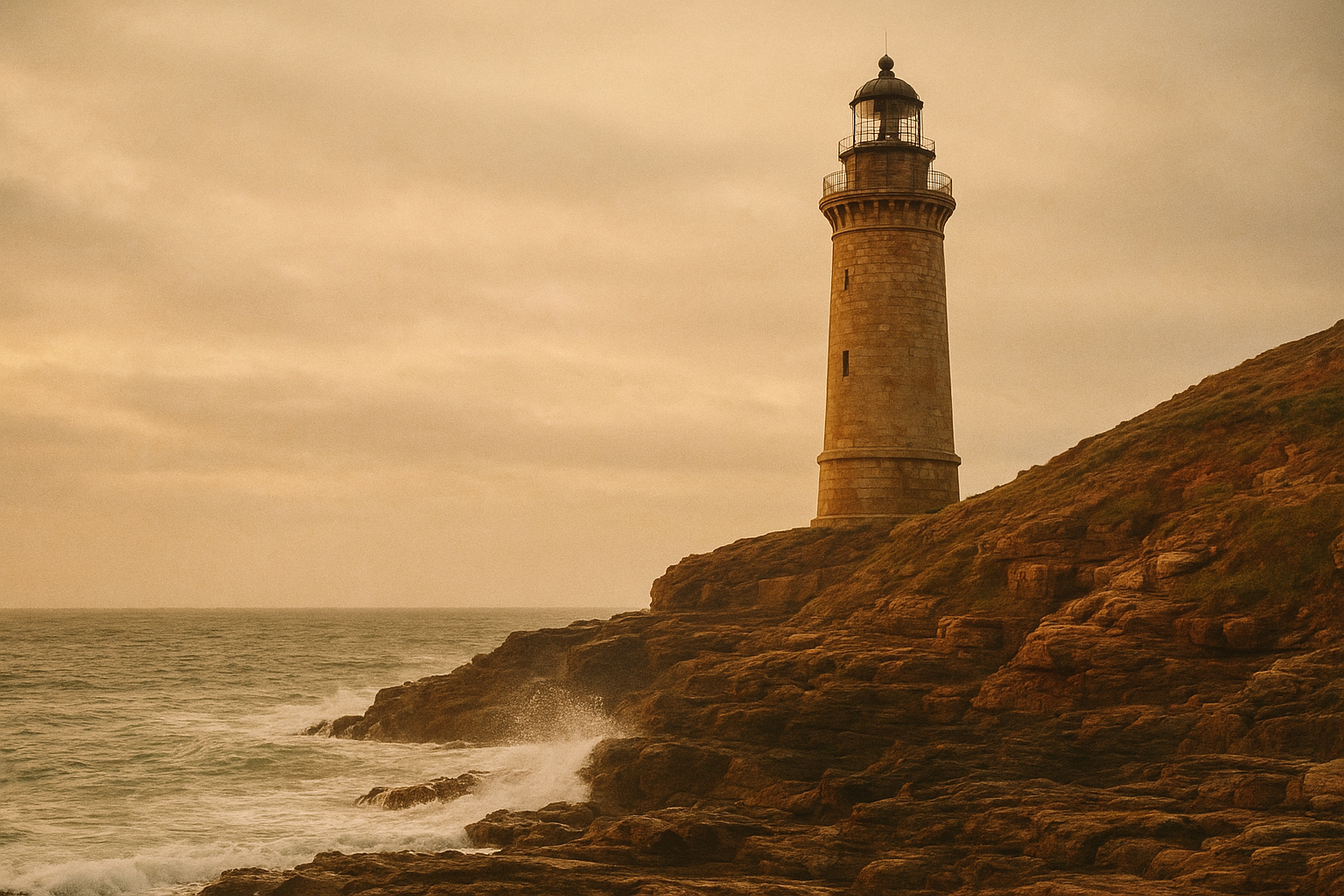
Northern Coast Historical Collection
Explore archive photography, keeper accounts, and preserved towers that trace the northern coast's maritime memory.
Archival note: North Head station records reference this approach light in winter log entries, c. 1912.
Northern Coast Historical Frame
The northern coast's lighthouses formed a shared system of warning and guidance: they marked shifting channels, answered recurring storms, and organized daily keeper labor that connected isolated stations to maritime communities along the same edge of sea.
Shipping lanes
Beacons traced safer approaches through shoals and tide-cut channels.
Storm seasons
Fog, winter gales, and spray-driven ice tested every signal and structure.
Keeper life
Routine maintenance and night watches sustained trust in every coastal light.
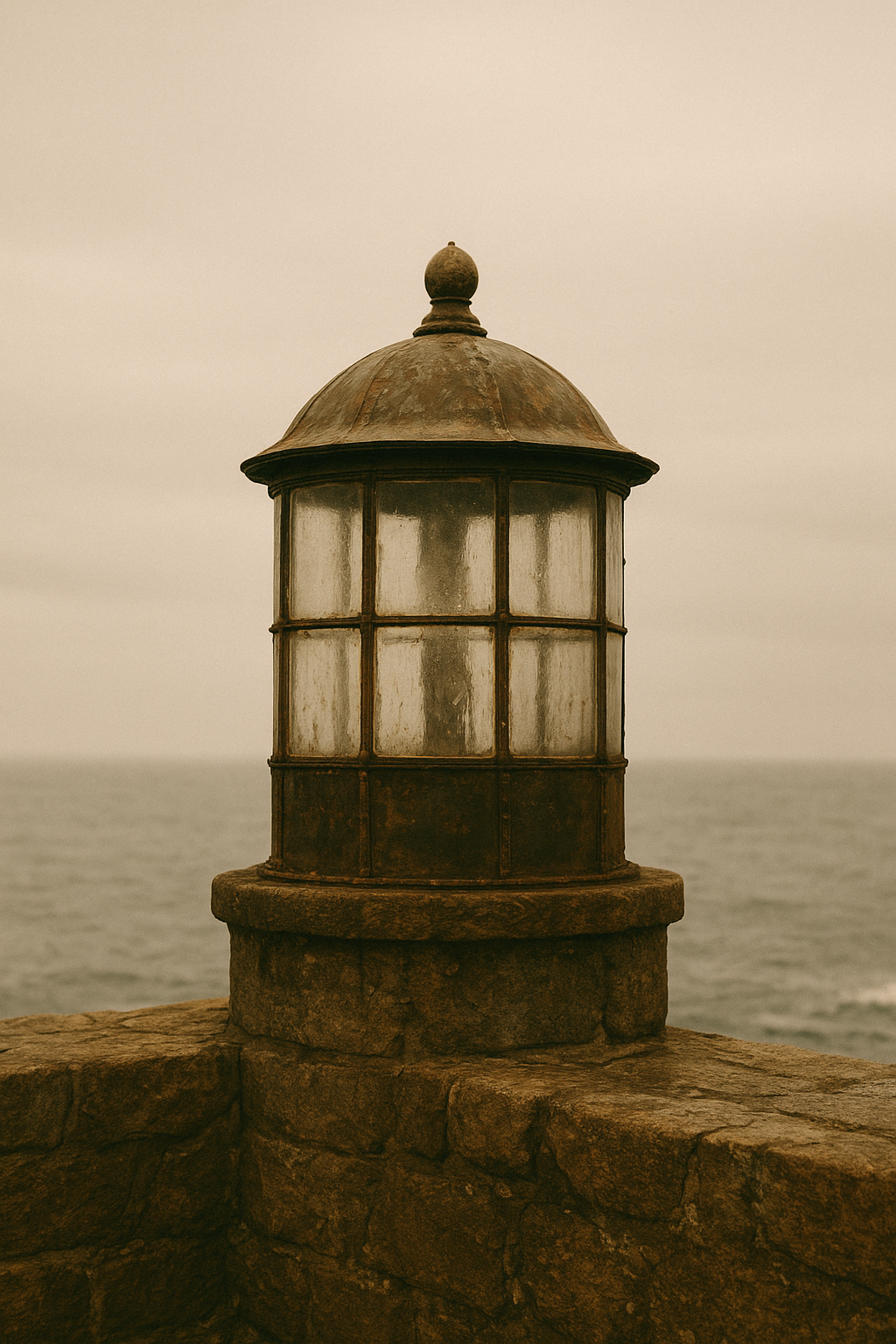
Archival detail
Salt-worn glazing, riveted metal, and stonework reveal the practical materials that kept lights visible through harsh northern weather.
Northern Coast Chronicle
From fire-lit beacons to preserved towers, these milestones trace how coastal guidance evolved across generations.
1820s
Temporary cliff-top braziers gave mariners their first fixed night reference points.
1850s–1880s
Masonry towers multiplied along dangerous reaches to form a dependable coastal chain.
Late 19th c.
Logbooks describe nightly lens care, weather watches, and family life in isolated stations.
1910s–1930s
Electric lamps and mechanized systems extended range while reducing daily manual labor.
1970s–Today
Community trusts restored key towers as protected landmarks for heritage and study.
Voices from station journals, family letters, and dockside recollections that reveal daily life behind the lantern.
1890s · Head Keeper
“When fog sat low for three nights, Rowan logged each wick trimming by moon phase, writing that the lamp room smelled of hot brass and salt wool before dawn relief arrived from the cove.”
1910s · Assistant Keeper
A margin note in Lind’s ration ledger recalls warming ink by the gallery stove so weather entries could be finished before the 4 a.m. watch bell.
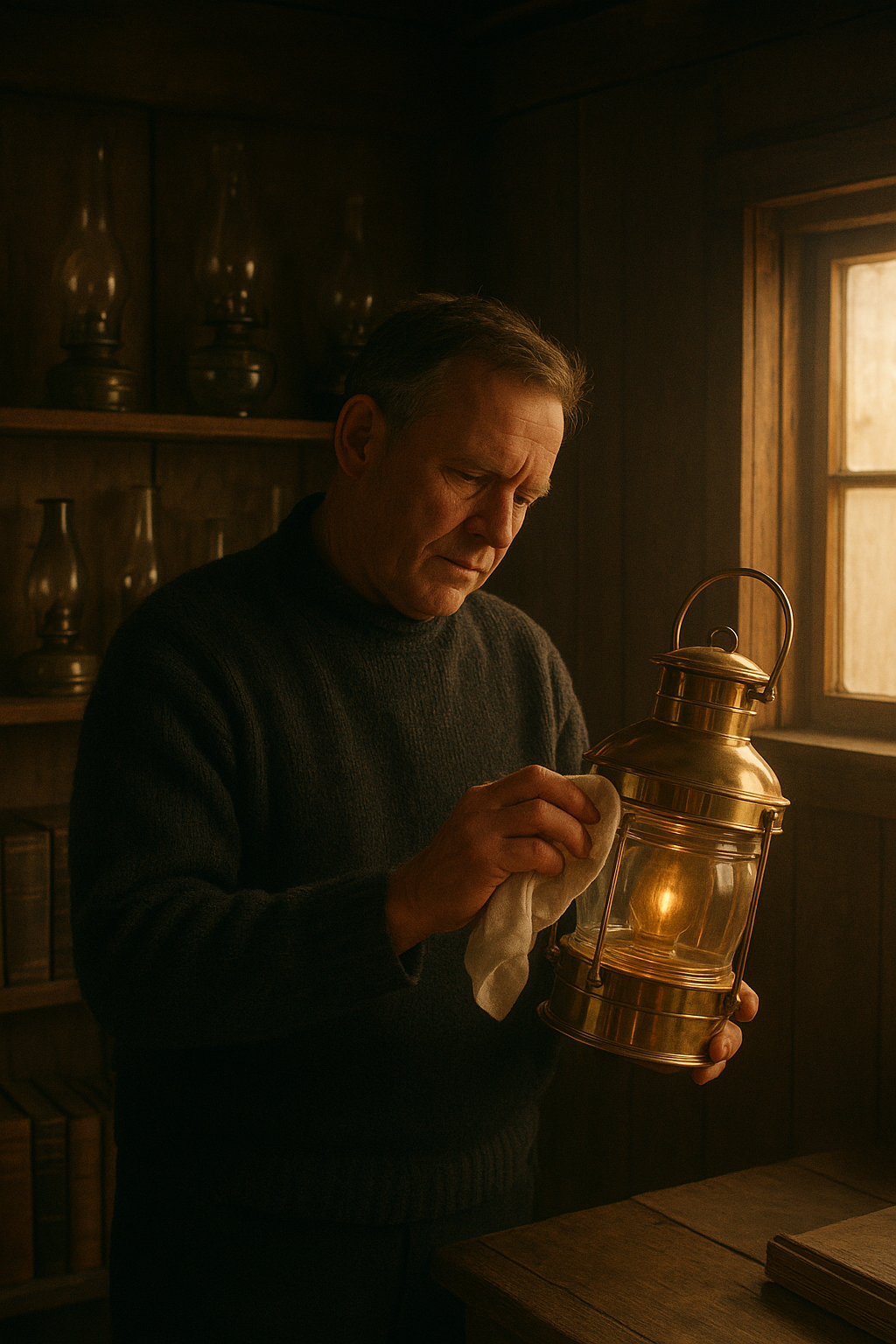
1930s · Relief Keeper
During winter transfer runs, Vale described carrying coal up 112 steps “one shoulder at a time,” then reading storm telegrams aloud to steady the crew.